Master spinnerbaits and spinning lures! Learn how their spinning blades create flash and vibration to trigger strikes. Discover key techniques for different water depths, blade types (Colorado, Willow), and how to use them for bass, pike, and more.
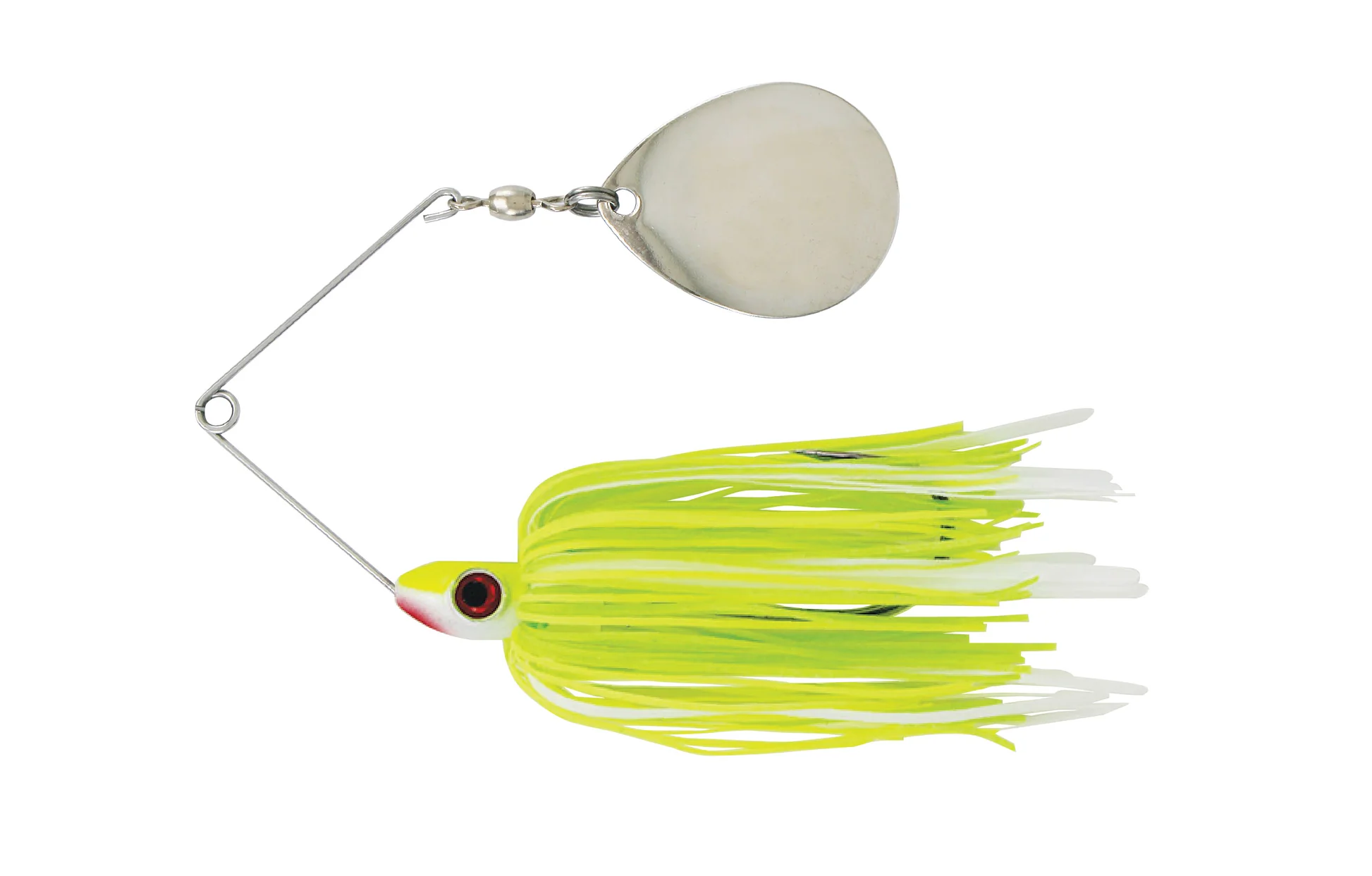
What is a Spinnerbait? (Spinner / Spinning Lure)
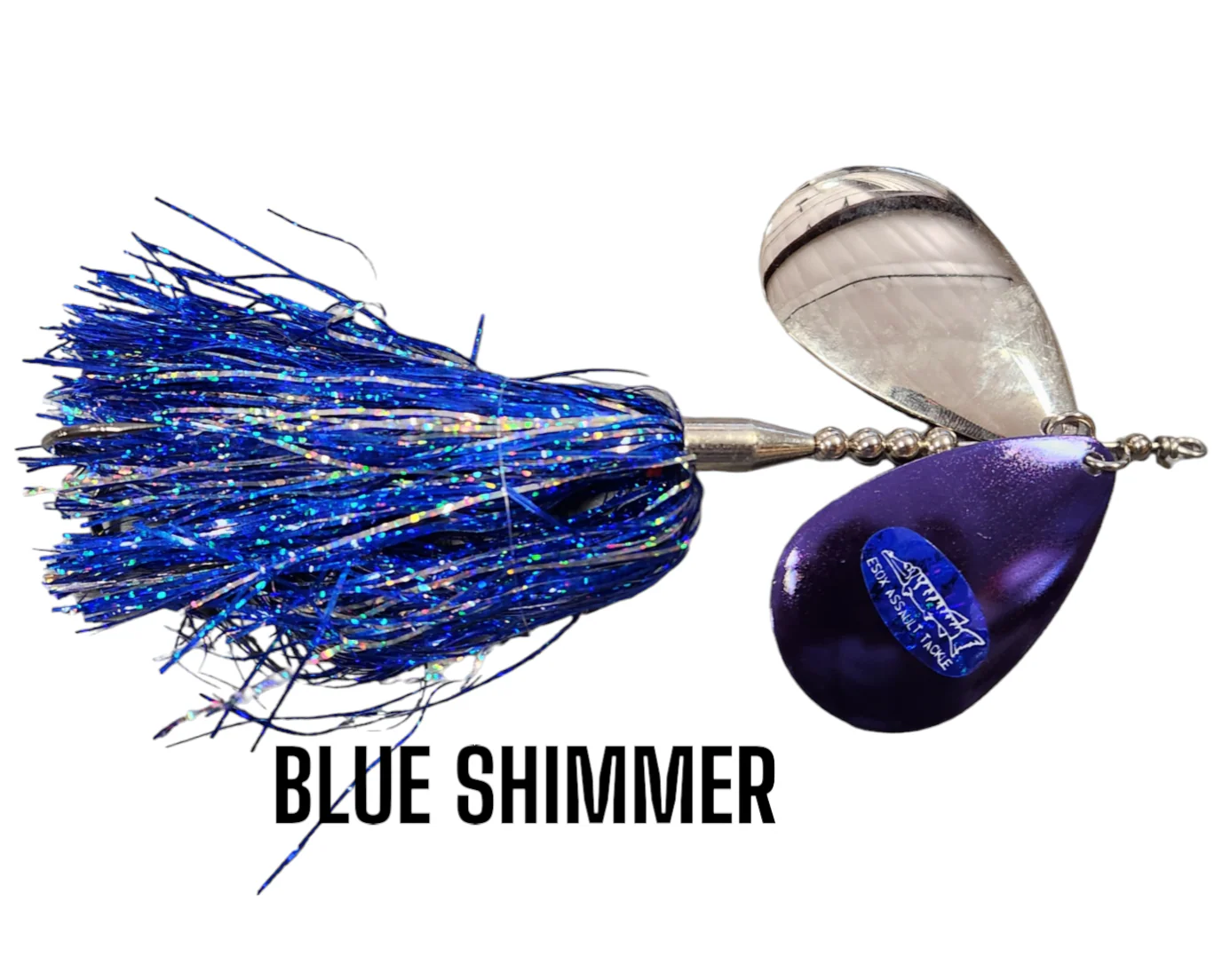
The term spinnerbait (often called a spinner or spinning lure) generally refers to a family of lures that use one or more metal blades that spin around a shaft or clevis when retrieved. This spinning action creates intense flash and vibration, mimicking a fleeing baitfish or other prey. While the original article groups them with spoons, spinnerbaits are distinct in that the blade is separate from the body and rotates. They are incredibly effective and are often recommended as a top choice for beginners due to their ease of use and fish-catching ability.
Key Features & Types of Spinnerbaits
Understanding the components is key to selecting the right spinnerbait for the conditions.
- Blade Types: The blade is the heart of the lure. Common types include:
- Colorado Blade: Wide, teardrop-shaped. Creates maximum thumping vibration and flash, even at slow speeds. Ideal for murky water or cold fish.
- Willow Leaf Blade: Long, narrow, and sleek. Creates minimal vibration but maximum flash. Perfect for clear water and imitating fleeing shad.
- Indiana Blade: An intermediate shape between Colorado and Willow, offering a mix of flash and vibration.
- Single vs. Double Blades: Some spinnerbaits have a single blade, while others (like the classic safety-pin style) have two blades, often a combination of Colorado and Willow for both flash and thump.
- Body Styles: Spinnerbaits can have a lead head with a skirt (mimicking a fish or crawfish) or a minnow-shaped hard body (sometimes called a spinnerbait or a spinner with a body).
- Depth Control: The speed of your retrieve controls the running depth. A slower retrieve allows the lure to run deeper, while a fast retrieve brings it up near the surface. This allows you to target specific water columns.
- Target Species: Excellent for a huge range of predators, including largemouth and smallmouth bass, northern pike, muskie, walleye, perch, trout, and snakehead in freshwater, as well as many inshore saltwater species.
How to Fish Spinnerbaits: Techniques for Success
Spinnerbaits are renowned for being easy to fish, but mastering a few techniques will make you far more effective.
The Standard Retrieve: Slow and Steady
This is the most fundamental technique. Cast the spinnerbait out and let it sink for a moment to reach the desired depth. Then, begin a steady, consistent retrieve. The key is to maintain a speed that keeps the blade spinning steadily. This is a perfect way to cover water and locate active fish. A medium speed is a great starting point.
Varying Your Speed (Cadence Control)
Don't be afraid to experiment with your retrieval speed, a concept known as cadence control.
- Slow Roll: A very slow retrieve is deadly in cold water or when fish are lethargic. The Colorado blade is perfect for this, as it thumps even at slow speeds.
- Burning: A fast, "burning" retrieve can trigger reaction strikes from aggressive fish in warm water.
- Speed Changes: Try speeding up and slowing down during the same retrieve. This erratic action can mimic a fleeing or injured baitfish and trigger a strike.
The "Stop-and-Go" or Pulse Retrieve
To imitate a wounded baitfish, use a stop-and-go retrieve. Reel steadily for a few turns, then pause for a second or two. During the pause, the blade stops spinning and the lure may begin to sink or flutter. This sudden change in action and the pause itself can be irresistible to a following fish. This is a highly effective technique for suspending fish or when they are following but not committing.
Fishing Different Depths
You can control the depth by using a countdown method and adjusting your retrieve speed.
- Shallow Water (0-3 feet): Start reeling immediately after the cast, and use a faster retrieve to keep the lure near the surface.
- Mid-Depth (3-6 feet): Let the lure sink for a few seconds (count 1-5) before starting your retrieve. A moderate speed will keep it in this zone.
- Deep Water (6+ feet): Let it sink for a longer count, and use a slower retrieve to keep it deep.
Fishing Near Structure and Cover
Spinnerbaits, especially the safety-pin style with a wire weed guard, are excellent for fishing around structure and cover like fallen trees, docks, and weed edges. The wire guard helps deflect off branches and weeds, preventing snags. You can confidently cast them into these fish-holding zones.
Advanced Technique: The "Hop" or "Yo-Yo"
This technique is particularly effective for jigging or fishing deep water. Cast out and let the lure sink to the bottom. Then, sharply lift your rod tip to make the lure "hop" up off the bottom, then lower it and let it sink back down on a semi-slack line. The flash and flutter during the fall often trigger strikes. This method mimics a crawfish or baitfish moving along the bottom.
Why Spinnerbaits are Great for Beginners and Experts
Their versatility, ease of use, and effectiveness make them a must-have for any angler. They are often recommended as a best choice for beginners because they are simple to fish—just cast and retrieve—and they consistently catch fish. For experts, their ability to be fished at various depths and speeds, and their effectiveness in heavy cover, make them an indispensable tool.
Pro Tip: Always use a quality ball-bearing swivel when tying on a spinnerbait, especially those with single blades, to prevent line twist caused by the rotating blade. Also, when fishing in areas with submerged vegetation, a slightly faster retrieve helps keep the lure above the weeds and avoid snagging.