Ready to ditch the live bait? Discover the science of lure fishing, decode confusing rod ratings, and learn the essential angler slang you need to sound like a pro on the water this season.
What is Lure Fishing? (The Art of the Fake-Out)
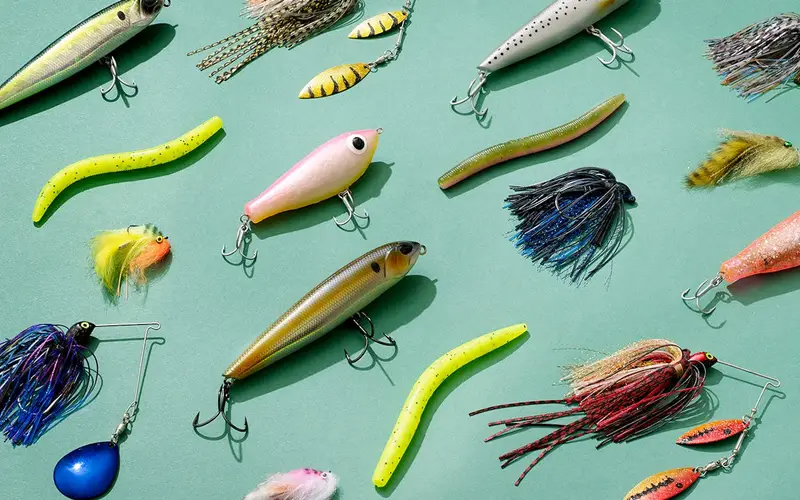
At its core, lure fishing is the art of tricking a predatory fish into striking an artificial bait made of plastic, metal, or wood. Unlike traditional bait fishing where you cast and wait, lure fishing is an active, full-body sport. You are constantly casting, retrieving, and manipulating your gear to mimic a wounded baitfish, a fleeing crawdad, or a panicked frog.
In 2026, lure fishing merges high-tech gear with environmental awareness. We use color, light reflection, vibration, and sound to trigger a fish’s predatory instincts. Plus, it's cleaner, requires less gear to haul around, and heavily promotes Catch and Release conservation.
The 6 Main Lure Categories
Walking down the tackle aisle can be intimidating. Here is the modern breakdown of what you'll find:
- Hard Baits (Plugs): Includes Crankbaits, Jerkbaits (Minnows), Pencils, and Poppers. They usually carry a depth rating: Floating (F), Suspending (SP), or Sinking (S).
- Soft Plastics (Soft Baits): The most versatile category. Includes artificial worms, crawdads, lizards, and swimbaits.
- Wire Baits: Think Spinnerbaits and Buzzbaits. These use flashing metal blades to create massive underwater vibration.
- Jigs & Iron: From heavy offshore metal jigs to freshwater rubber-skirted weedless jigs.
- Topwater: Hollow-body frogs and walking baits designed to stay on the surface and create explosive strikes.
Decoding Rod Specs: Power vs. Action
A rod isn't just a stick. To properly work a lure, you need the right tool. Here is how rods are rated:
| Rod Power (Stiffness) | Rod Action (Where it bends) | Best Lure Application |
|---|---|---|
| UL (Ultralight) to L (Light) | Slow / Moderate | Tiny spinners, trout jigs, panfish lures. |
| M (Medium) to MH (Medium Heavy) | Fast (F) | The 2026 standard for Texas Rigs, Spinnerbaits, and Jerkbaits. |
| H (Heavy) to XH (Extra Heavy) | Extra Fast (XF) | Heavy jigs, Frogging in thick grass, large swimbaits. |
The Angler’s Dictionary: Talk Like a Local
Every sport has its jargon. If you want to hang with the tournament guys, you need to know the slang. Here are the most common terms you'll hear on the water:
- Getting Skunked (Blanking): Going home without catching a single fish. (Also known as catching a "stripe"). Breaking the skunk means finally landing your first fish of the day.
- Bird's Nest (Backlash): The ultimate beginner nightmare. This happens when your baitcasting reel spool spins faster than your lure is flying, creating a massive, tangled knot of line.
- Topwater Blowup: When a fish aggressively smashes your surface lure, creating a massive splash.
- Headshake / Tail-Walking: A bass's favorite escape tactic. They jump out of the water and violently shake their head to throw the hook. Pro tip: Dip your rod tip into the water to keep them pinned!
- Getting Hung Up (Snagged): Hooking a submerged log, rock, or shopping cart instead of a fish.
- Spooled: When a massive fish takes off on a run and strips absolutely every yard of line off your reel.
- Counting Down (The Frog Rule): When fishing heavy cover with a hollow-body frog, bass often pull the bait underwater before actually getting the hook in their mouth. You must "count to three" before setting the hook, or you'll rip it right out of their mouth.
Mastering the Retrieve
A lure only works if you give it life. Mix up your retrieve using these three primary actions: Jerking/Twitching (snapping the rod tip to make the bait dart erratically), Walking (rhythmic twitches to make a topwater bait zig-zag like a snake), and the Pause (stopping the lure completely—this is often when the strike happens!).