Master the crankbait, a versatile hard bait known for its wide wobble, deep diving action, and built-in rattles. Learn how to choose the right lure based on lip design and running depth, plus key retrieval techniques to trigger strikes from bass and other predators.
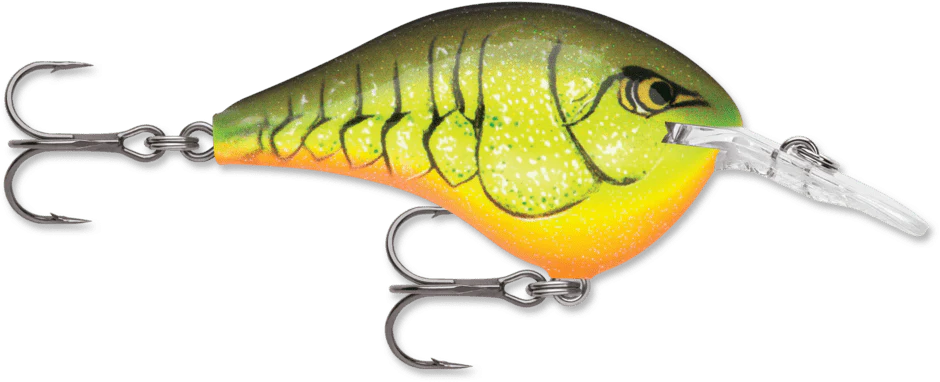
What is a Crankbait? (The "Fat Crank" / Deep Diver)
The crankbait, often affectionately called a "fat crank" or "deep diver" due to its rounded body, is a type of hard bait designed to dive and run at a consistent depth. Its most distinctive feature is its lip (or bill), which is typically large and long. This lip is not just for show; it's the engine of the lure. When retrieved, the lip catches water, causing the lure to dive and generating a tight, wide-wobbling action. Many crankbaits also contain internal rattles (like steel balls) that create significant vibration and noise, helping fish locate the lure in murky water or from a distance. This combination of wobble, vibration, and sound makes it a powerful tool for covering water and triggering reaction strikes from fish like bass, walleye, and pike.
Key Features: Lip Design, Depth, and Action
- Body Shape: Typically short and rounded, giving it a "plump" profile. This contributes to its buoyancy and wide-wobbling action.
- Diving Lip (Bill): The length and angle of the lip are the primary factors determining the lure's running depth. A longer lip generally makes it dive deeper. This is often referred to as running depth or dive curve.
- Action & Vibration: The wide lip creates a pronounced, tight-wobbling action (often described as "tight wiggle" or "wide wobble") that displaces water and sends out strong vibrations. This is a key trigger for predatory fish.
- Built-in Rattles: Internal chambers with steel or glass balls add audible attraction, making the crankbait an excellent choice for stained or muddy water where visibility is low.
- Pre-Rigged Depth: Crankbaits are designed to run at a specific depth range. When selecting one, pay close attention to the packaging, which will indicate its intended running depth (e.g., shallow, medium, deep diver). This allows you to target fish holding at specific water columns.
How to Fish a Crankbait: Techniques for Success
The basic retrieve for a crankbait is similar to a minnow, but its unique properties allow for specialized tactics. The core principle is to use the lip and your retrieval speed to get the lure down to the fish-holding zone and keep it there.
The Standard Retrieve: Find the Bottom, Then Work It
Cast out and let the lure settle. Begin reeling at a steady pace. You want the lure to dive and bump along the bottom or structure. A key technique is the "countdown" method: after the cast, count as it sinks before you start reeling to determine how deep it's getting. Once you feel it ticking or bumping the bottom, you're in the zone. Maintain a steady speed to keep it running at that depth.
Vary Your Cadence for More Strikes
Don't be afraid to experiment with your retrieval speed and rhythm, a concept known as cadence control.
- Steady Retrieve: The most fundamental approach. Find a speed that makes the lure wobble and vibrate strongly.
- Stop-and-Go: Reel steadily, then pause for 1-2 seconds. The lure will begin to float up slightly (due to its buoyancy), imitating a wounded or paused baitfish. This pause is a classic strike trigger.
- Burning: Reel as fast as you can. This can trigger a reaction strike from aggressive fish, especially in warm water.
Deflecting Off Structure: The Crankbait's Superpower
One of the most valuable and often overlooked techniques is using the crankbait's lip to your advantage. When you feel the lure hit a rock, log, or the bottom, don't immediately assume it's a snag. This is often the lure's lip making contact. When this happens, pause your retrieve for a split second and let the lure float up slightly. The lip acts as a deflector, allowing the lure to bounce off the obstacle and continue its dive. This "bump and rise" action is incredibly lifelike and can trigger vicious strikes from fish holding tight to cover. It's a key way to work the lure through heavy cover and structure fishing with minimal snagging.
When to Use a Crankbait
- Active Fish: Crankbaits shine when fish are active and willing to chase. Their vibration and flash make them easy targets.
- Covering Water: They are excellent for quickly searching large areas to find active fish.
- Deep Water: Deep-diving crankbaits are a go-to choice for reaching fish holding in deeper water columns.
- Stained or Muddy Water: The vibration and rattles make them highly effective when visibility is poor.
However, in periods of low fish activity (like cold fronts or extreme cold), the crankbait's aggressive action can sometimes be too much, and a more subtle presentation might be better.
Pro Tip: When fishing from a high position, like a tall dock or bridge, a crankbait's ability to dive and maintain depth is a major advantage over other lures that might be pulled to the surface too quickly.