Master the spoon lure, one of the simplest yet most effective hard baits. Learn about different spoon types (casting, trolling, weedless), why their fluttering action is irresistible, and key retrieval techniques for freshwater and saltwater predators.
What is a Spoon Lure?
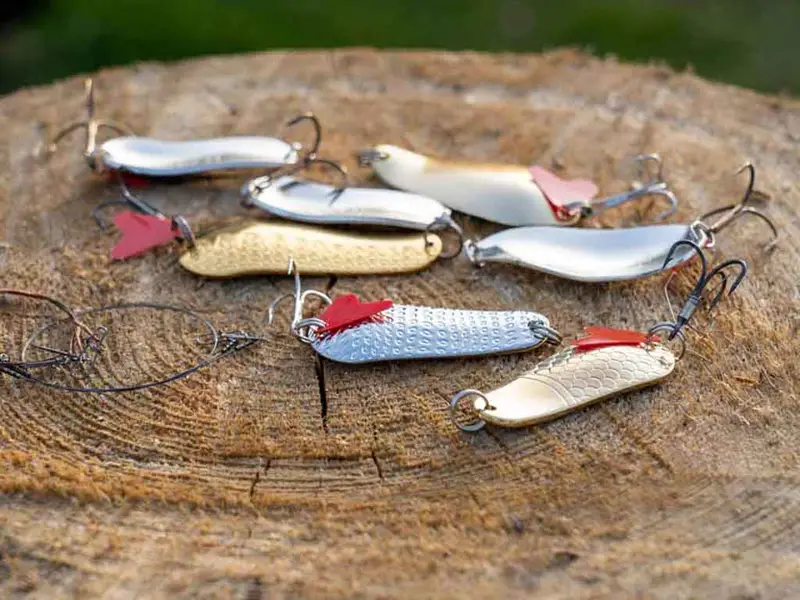
The spoon lure is one of the oldest and most fundamental types of fishing lures. True to its name, it is a piece of stamped metal, usually concave, that resembles a spoon bowl. This simple design creates its magic: when pulled through the water, the spoon catches water and deflects side-to-side, creating a distinctive, erratic fluttering action that perfectly mimics a wounded or dying baitfish. This flash and vibration trigger instinctive strikes from a huge variety of predatory fish.
Key Features & Types of Spoons
While simple, spoons come in variations designed for specific fishing situations. Understanding these is key to selecting the right lure.
- Casting Spoons: Heavier and designed to be cast. Their weight allows for long-distance casting, making them ideal for covering water from shore or a boat. They excel for species like bass, pike, and bluefish.
- Trolling Spoons: Often larger and designed to be trolled behind a boat at specific depths. They are a staple for offshore trolling for salmon, trout, and walleye.
- Weedless Spoons: Fitted with a wire weed guard or a specially designed hook to prevent snagging. These are perfect for fishing in heavy cover like lily pads, weed beds, and shallow timber, where predators often hide.
- Jigging Spoons: Heavier, narrower spoons designed to be vertically jigged. They are dropped to the bottom and then lifted and dropped to attract fish like crappie, lake trout, and saltwater species like snapper.
How to Fish a Spoon Lure: Techniques for Success
The spoon's versatility allows for several effective retrieval methods. The key is to make the most of its fluttering action.
The Standard Cast and Retrieve
This is the most common and effective method. Cast the spoon out, let it sink for a few seconds (if desired), and begin a steady retrieve. The speed can be varied. A steady, medium-paced retrieve allows the spoon to wobble and flash consistently. This is a great search bait technique to locate active fish.
The "Stop-and-Go" or Flutter Retrieve
To imitate a wounded baitfish, use a stop-and-go retrieve. Reel steadily for a few turns, then pause. During the pause, the heavy spoon will stop its forward motion and begin to flutter and sink erratically towards the bottom. This falling action is often when fish strike. This technique is highly effective for suspending fish or when they are following but not committing.
Vertical Jigging with Spoons
When fishing from a boat directly over deep water or structure, vertical jigging with a spoon is deadly. Drop the spoon to the bottom or the desired depth. Then, lift your rod tip sharply to make the spoon dart up, then lower it, allowing the spoon to flutter back down on a semi-slack line. Most strikes occur during this flutter. This is a key technique for deep water fishing and targeting fish like lake trout, striped bass, and snapper.
Fishing Weedless Spoons in Cover
Weedless spoons are a top choice for fishing heavy cover. Cast them into lily pads, weed edges, or shallow timber. Retrieve them with a steady, steady pace, or use a "rip-and-pause" technique to pull them through the vegetation. The flash and vibration draw explosive strikes from ambush predators like northern pike and largemouth bass hiding in the cover.
Spoon Lures in Freshwater and Saltwater
Spoons are truly versatile across all environments.
- Freshwater Fishing: Excellent for a wide range of species, including largemouth and smallmouth bass, northern pike, muskie, walleye, trout, and panfish like crappie.
- Saltwater Fishing: A staple for surf casting and inshore fishing. They are deadly on bluefish, striped bass, Spanish mackerel, ladyfish, and many other inshore predators. Heavier spoons are also used for offshore trolling.
Pro Tip: Don't be afraid to experiment with different retrieves. If a steady retrieve isn't working, try a stop-and-go or a faster "burning" retrieve. The spoon's simplicity is its strength—you can adapt it to any situation.